
MoonPay - Content design and strategy
Repositioning MoonPay in Web3
MoonPay’s brand proposition, voice and messaging no longer reflected the company’s evolving offering.
A new identity needed to be crafted, to take MoonPay’s presence to the next level.
Context
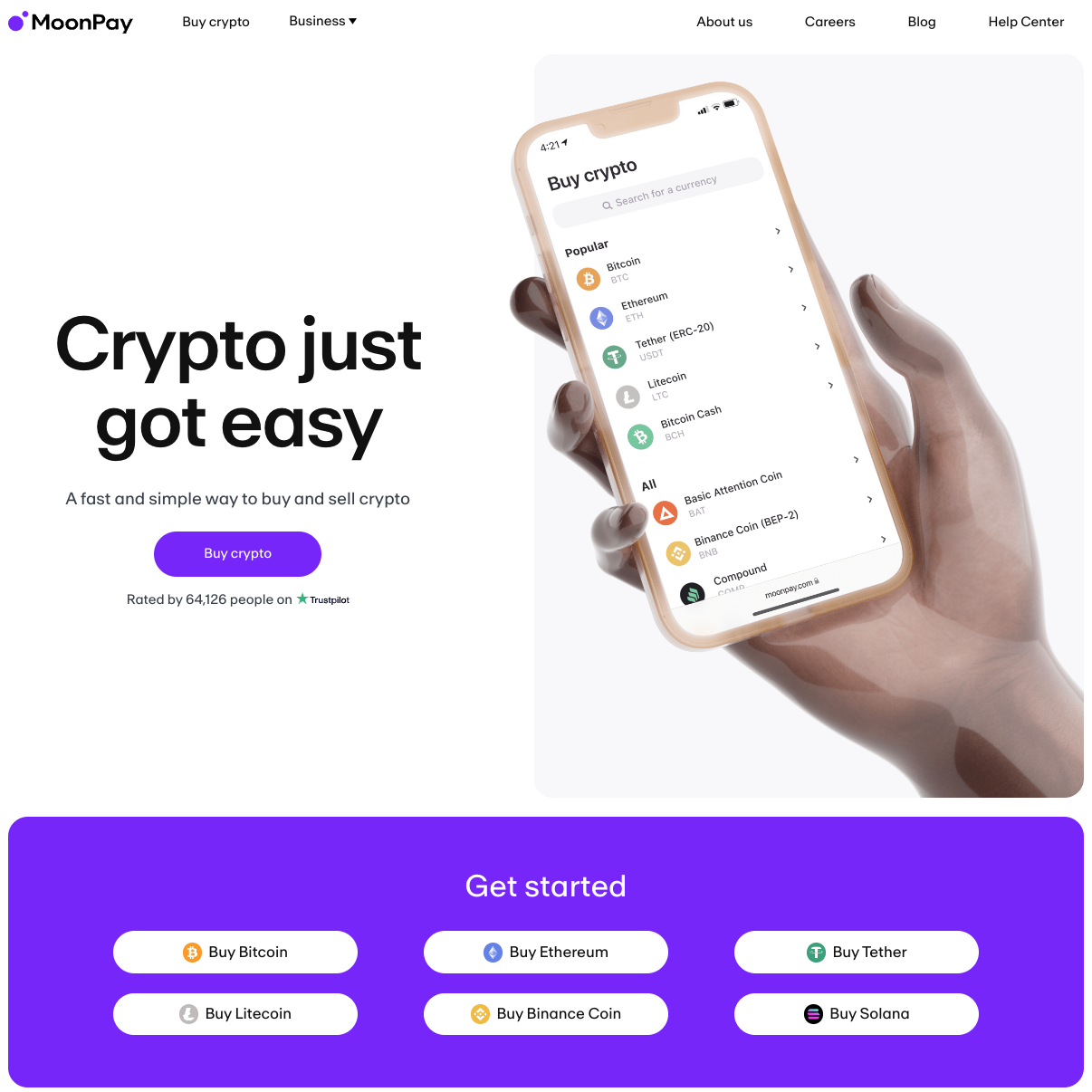
MoonPay’s homepage focused exclusively on the company’s on-ramp product (buying crypto with fiat).
While it had a solid conversion rate, this approach also had several shortcomings:
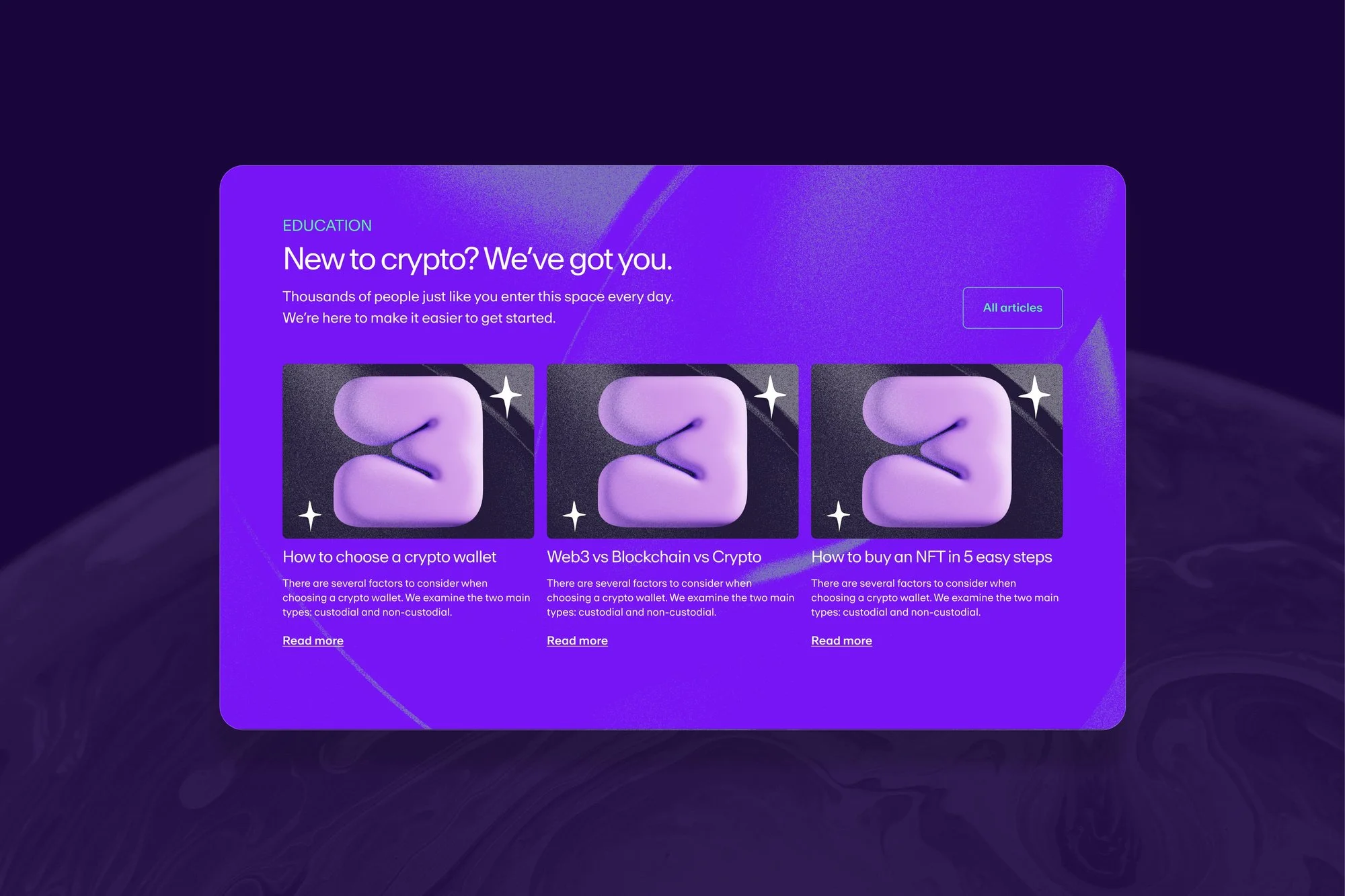
no guidance for new clients
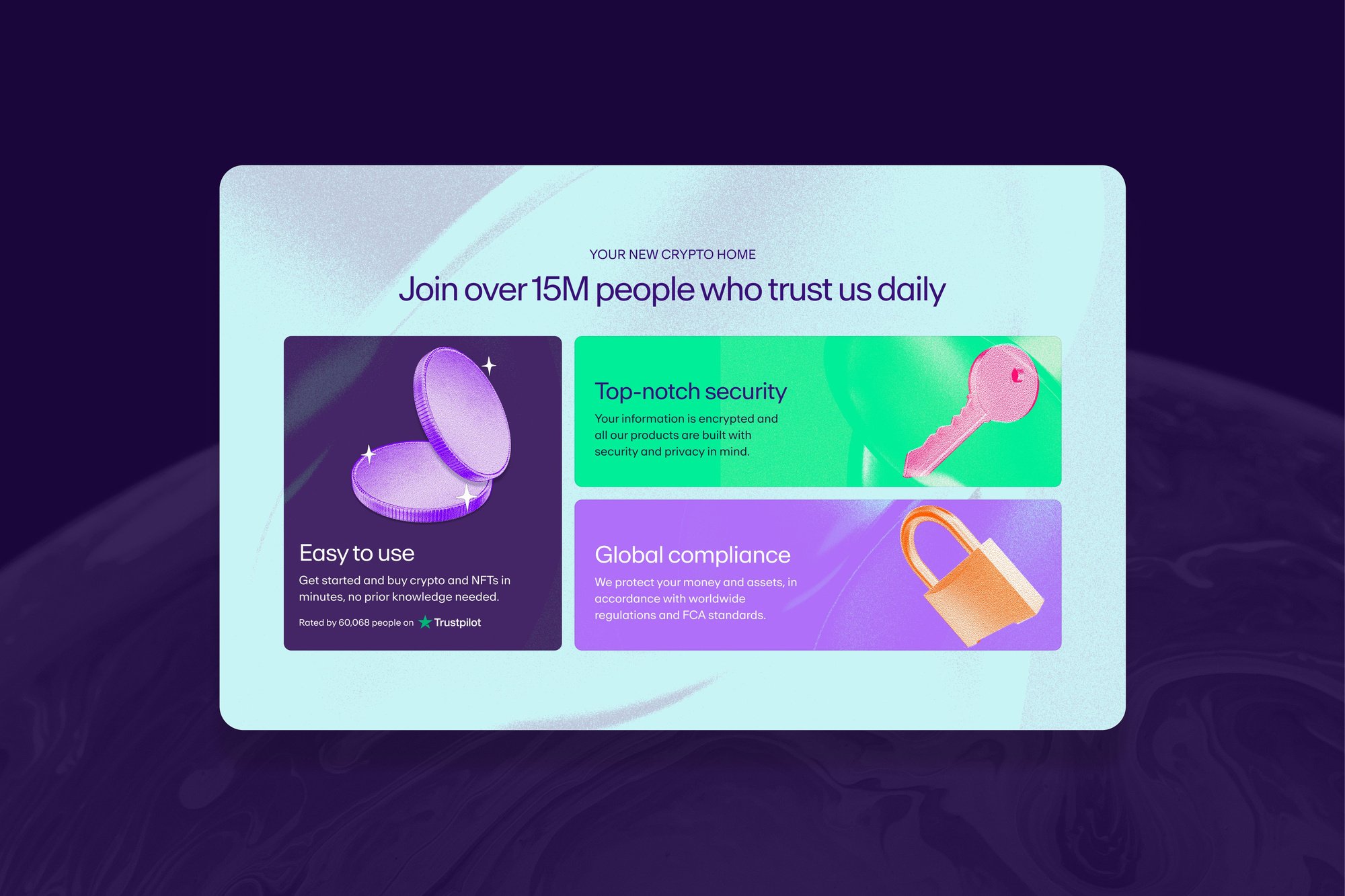
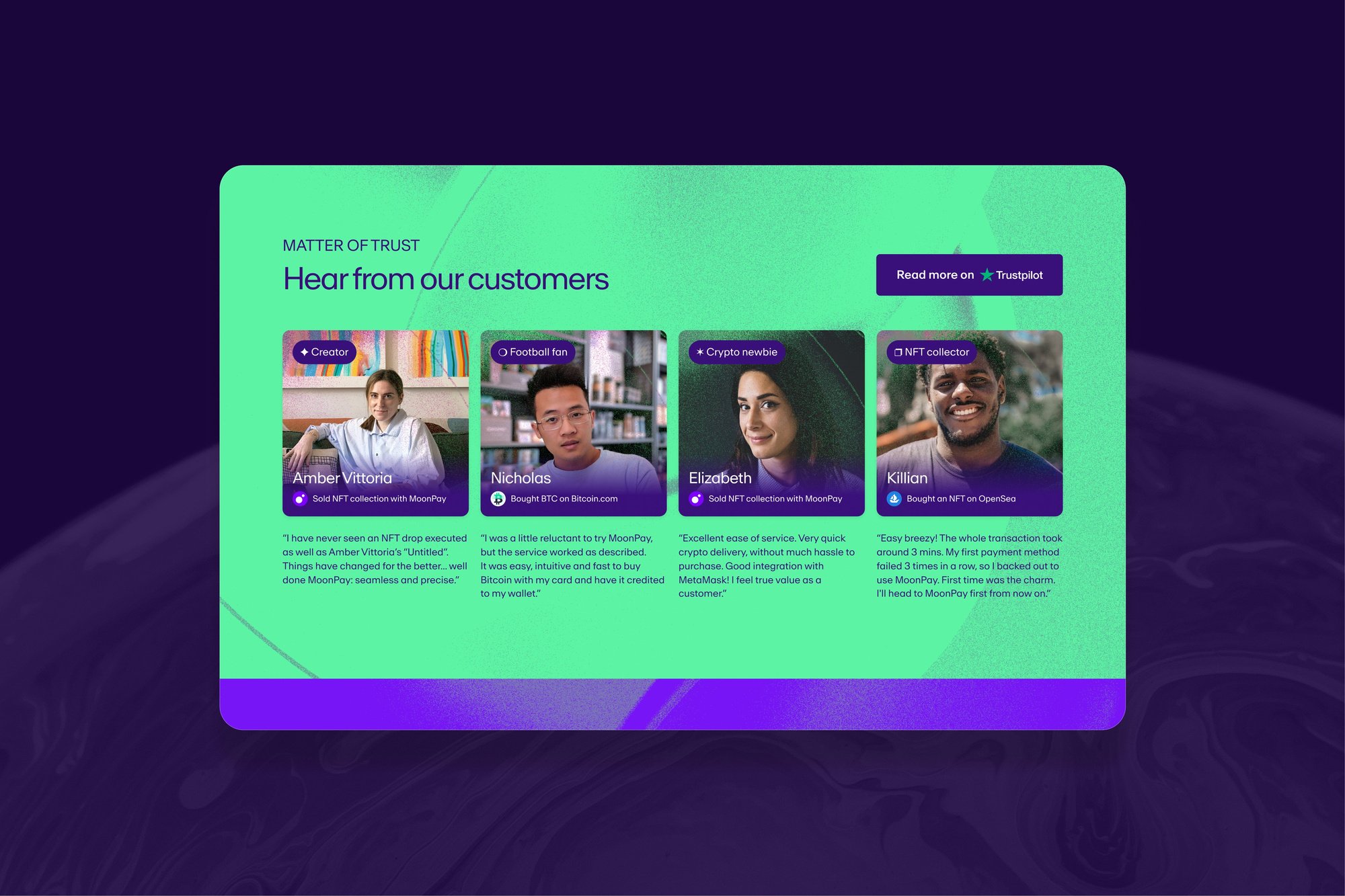
lack of trust building factors
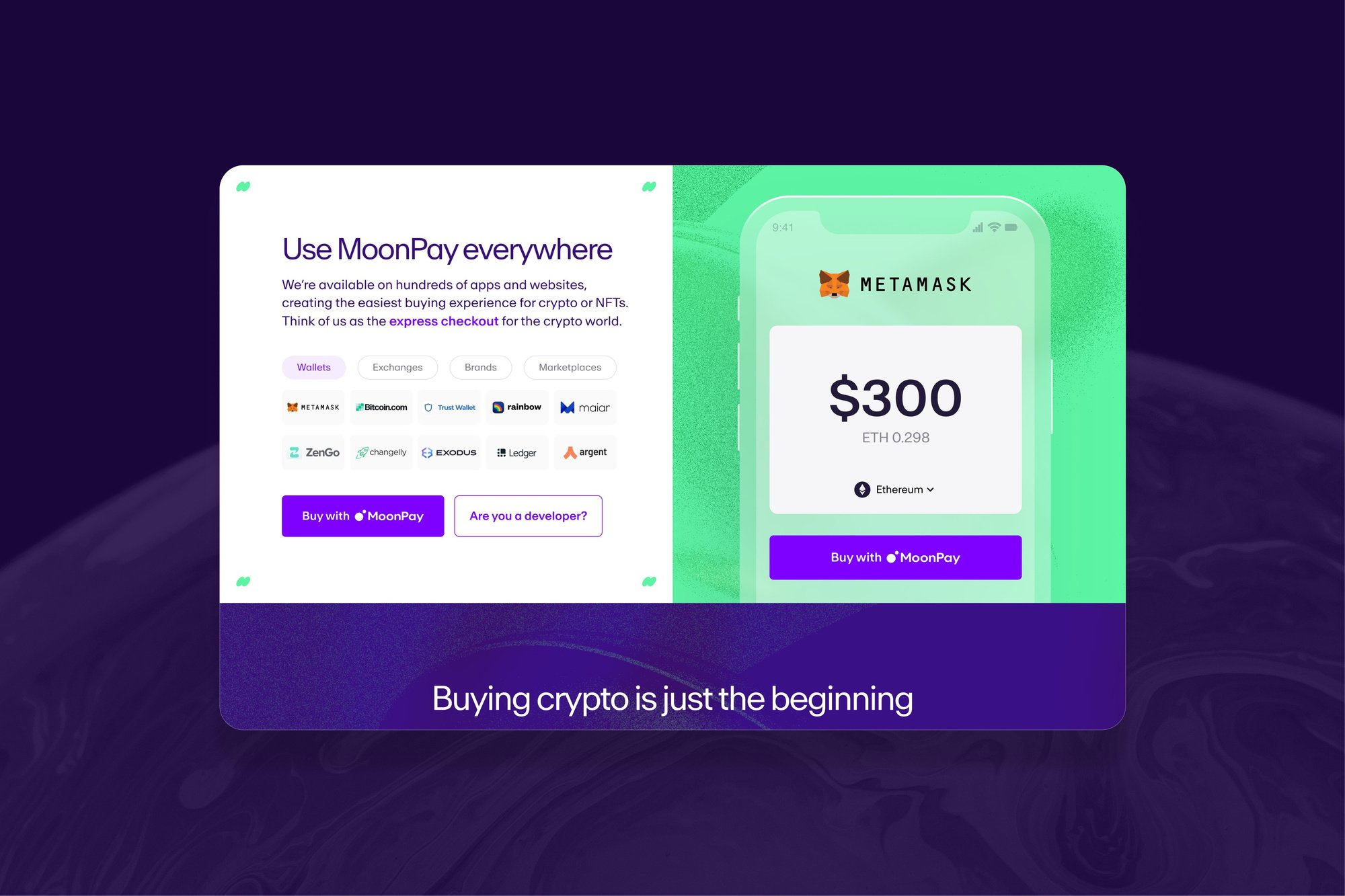
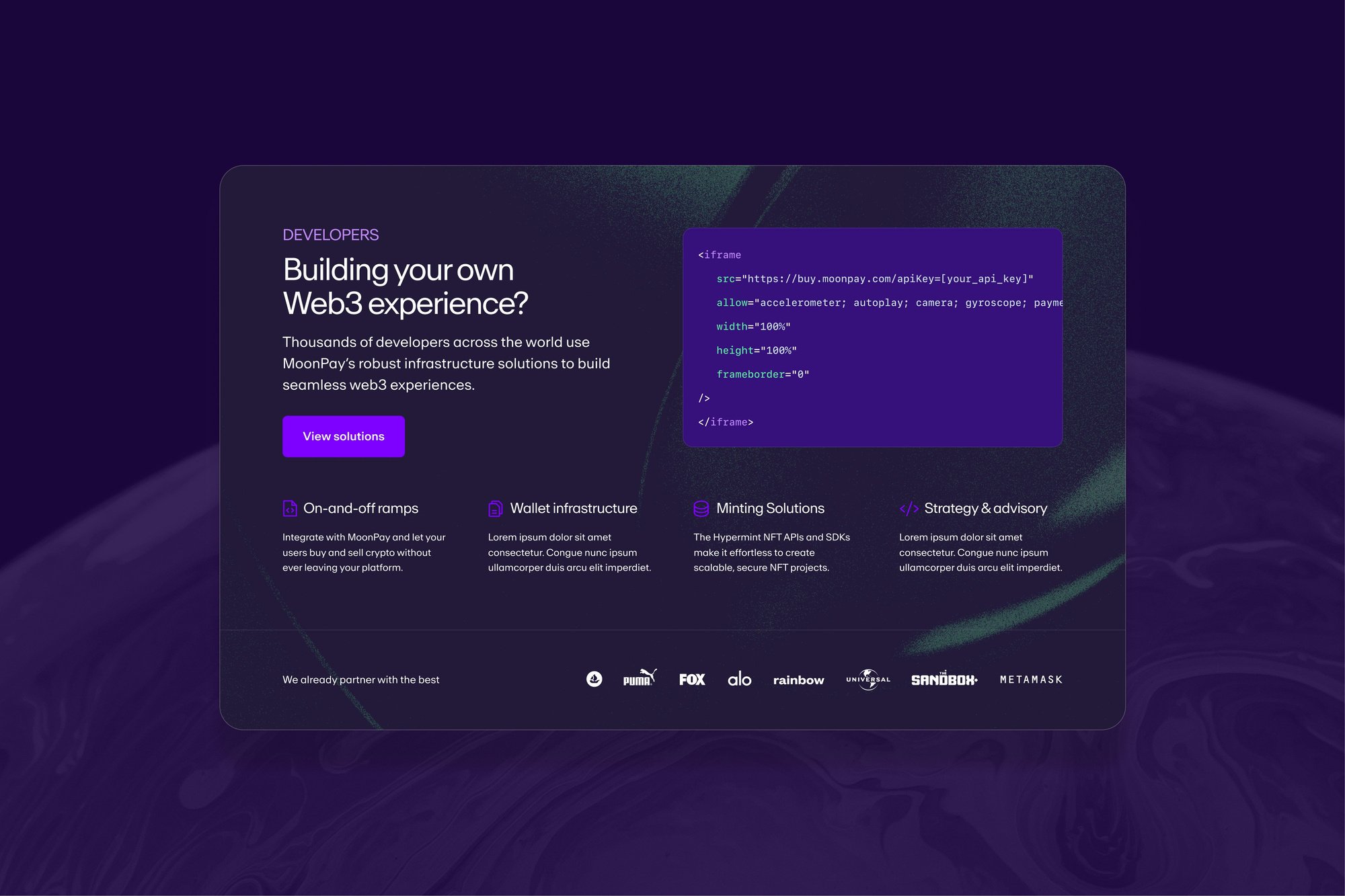
no introduction to the wider MoonPay ecosystem
prominent call-to-action with minimal context
The Business, Product Management and Product Design teams decided to rethink MoonPay’s brand and how it communicated with its various types of clients.
My input
PROJECT STAGES
Run a complete content audit, looking at content inventory and style, existing key messages and values and the brand voice
Identify and analyze MoonPay’s audiences
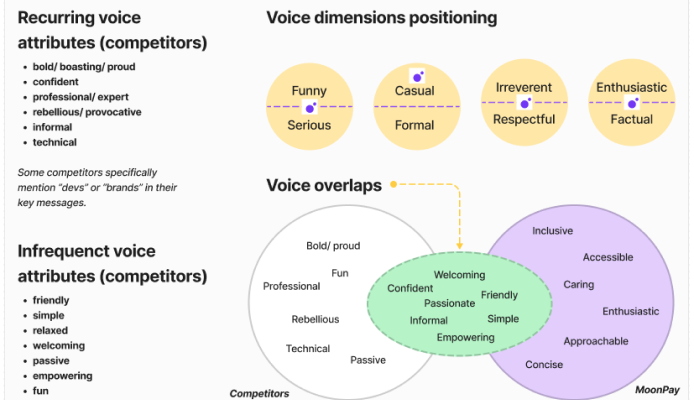
Research competitors, to identify overlaps and potential differentiators
Map findings to business proposition and goals
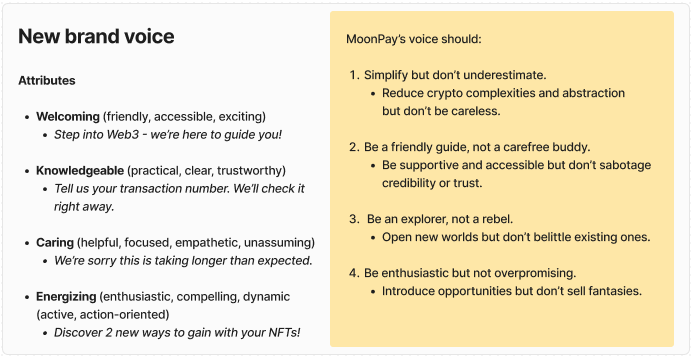
Create new brand messaging and voice
Collaborate with multiple stakeholders for feedback
Partner with UX researchers, product managers, product designers and brand designers to create the new website
PROJECT STAKEHOLDERS
To deliver this project, I teamed up closely with:
UX Research, Product Design and Brand Design
Multiple stakeholders from across Product Management
Customer Experience team
Company leadership team
Initial audit
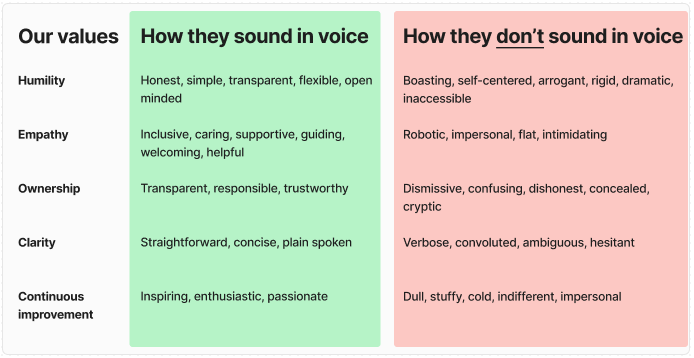
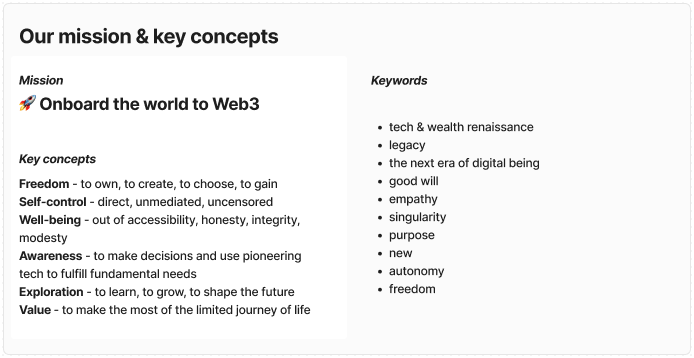
I started the project by diving deep into key areas which would inform our new brand and content strategy:
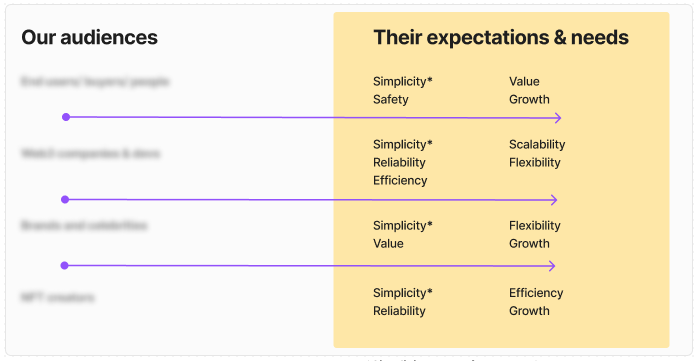
MoonPay’s user personas (B2C, B2B, B2B2C) and their needs and expectations
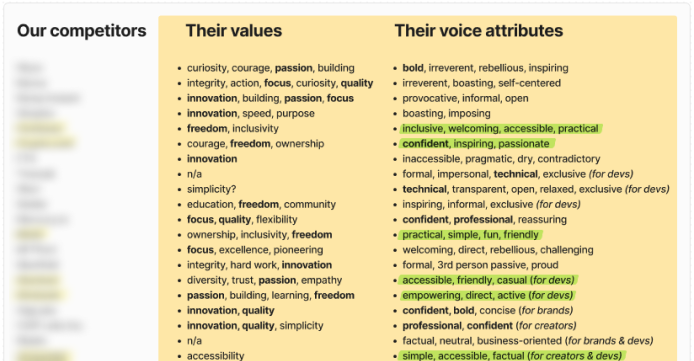
The competitor landscape
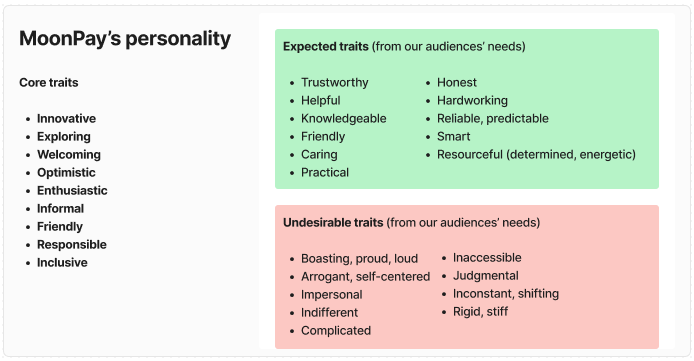
MoonPay’s personality, values and mission
New voice
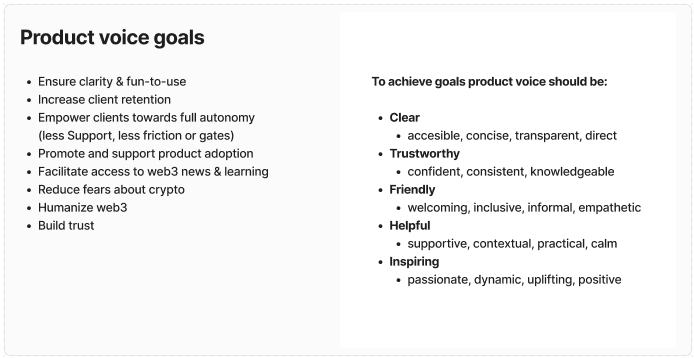
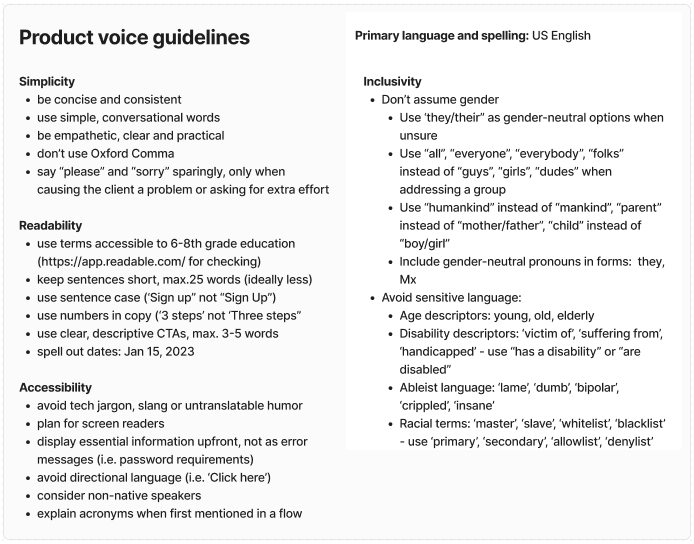
Based on the initial audit and the key findings regarding MoonPay’s clients and competitors, I defined the voice attributes (and non-attributes) which would best serve the company and its audience.
I then scoped how the new brand voice would apply to product copy (UX writing), given the requirements and constraints of this type of copy.
To simplify adoption within the Product Design workflow, I also added simple writing guidelines.
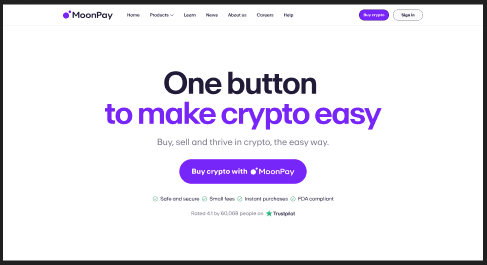
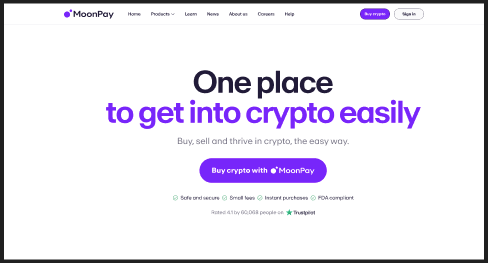
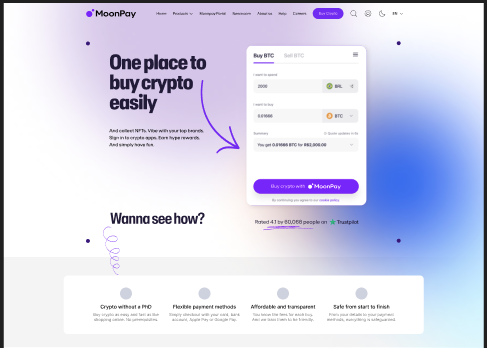
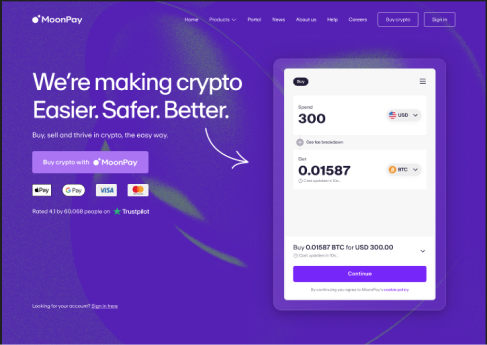
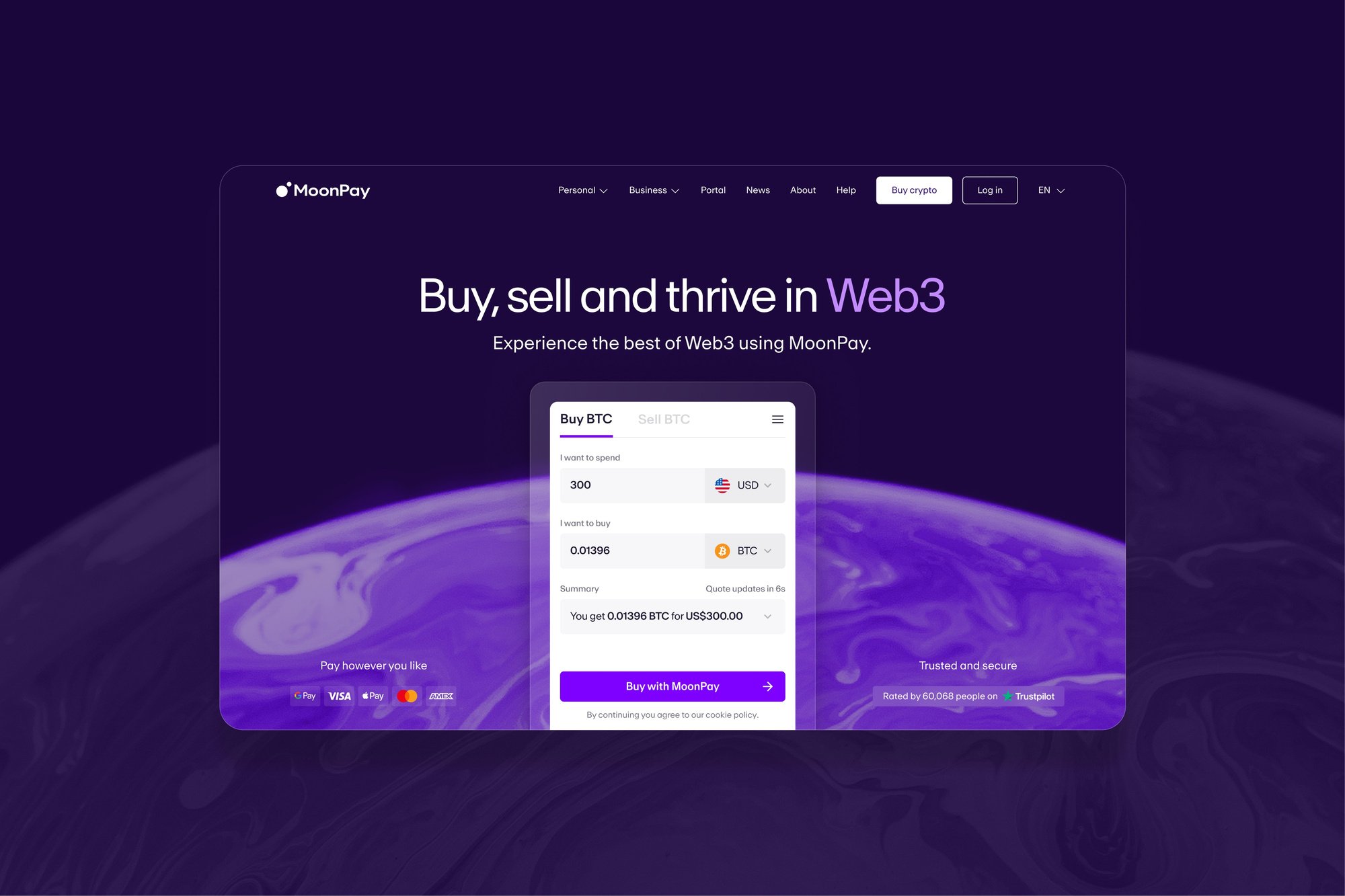
Homepage content design
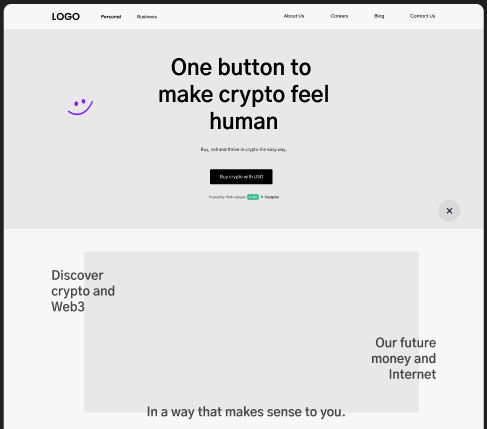
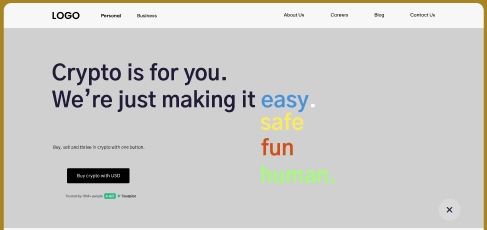
Through design sprints across 12 weeks, I iterated on the key messaging on MoonPay’s homepage. Given the critical importance of the content and the numerous stakeholders, this process required several rounds of feedback and alignment efforts.
Throughout the project, I kept a constant focus on 3 areas:
Content - clear, welcoming, guiding, actionable
Design - on-brand and supporting, not outweighing content
Functionality - responsive, accessible
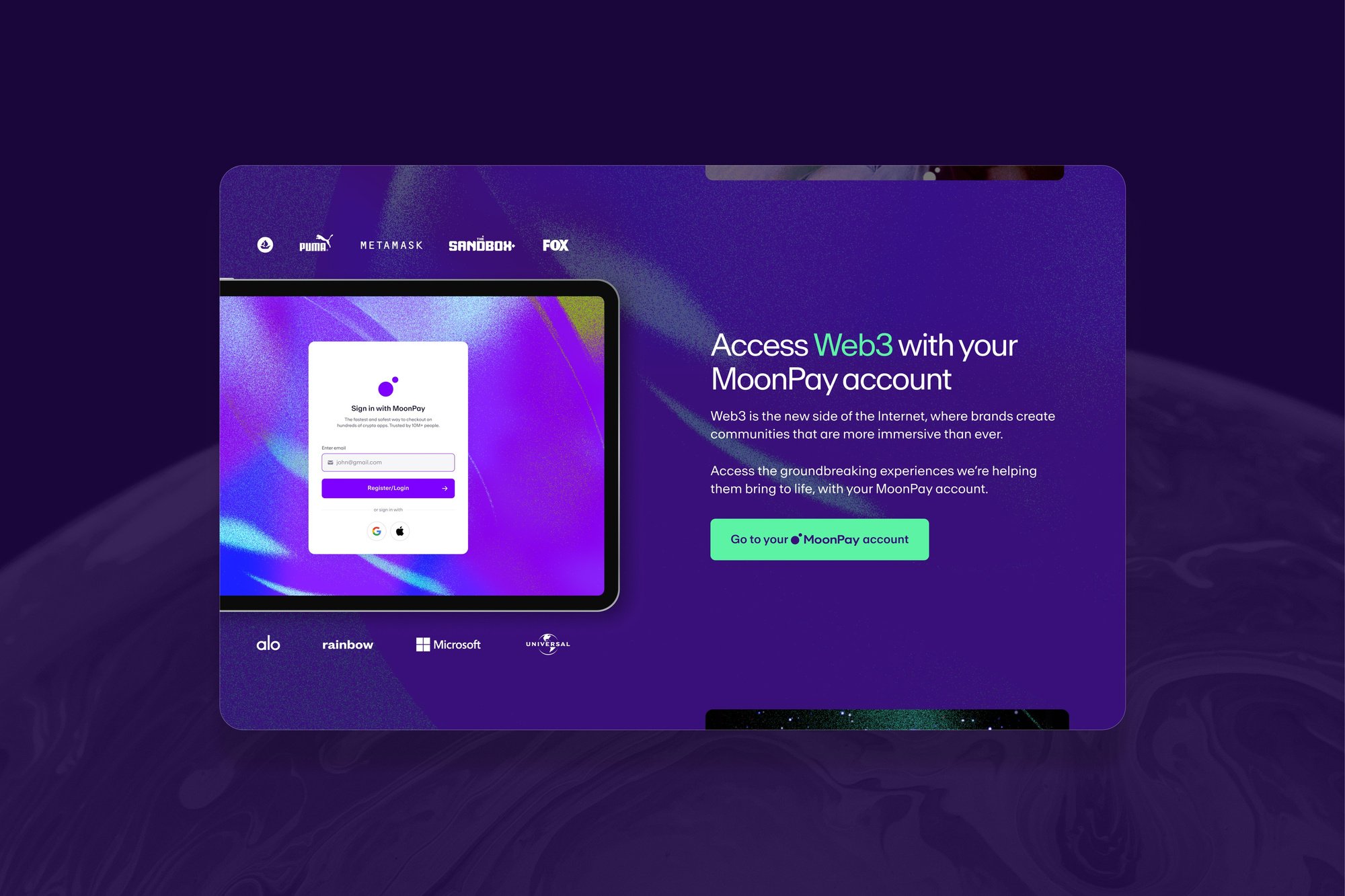
Final designs
The content and design were optimized and thoroughly tested to be equally user-friendly on both desktop and mobile screens.
The new homepage content would serve as a guide for all secondary pages and the company’s future communication strategy.
I then used the new voice definition and accompanying guidelines to develop a complete UX writing style guide, shared throughout the company and serving multiple teams in the client-facing work:
Product Design and Product Management
Customer Support
Engineering
Brand Design, Marketing and PR
Results
The homepage redesign marked a shift in how MoonPay communicated its proposition: from a single-product conversion page to a multi-audience experience. This approach introduced the full MoonPay ecosystem and gave different types of clients a clear path forward.
The new content became the foundation for all secondary pages and for MoonPay's broader communication strategy going forward.
The voice definition and UX writing guidelines were adopted across Product Design, Product Management, Customer Support, Engineering, Brand and Marketing – giving teams a shared language for the first time and reducing the inconsistency that had previously emerged across touchpoints.
What this project demonstrated was that content strategy and UX writing are most valuable when they're built into the product from the earliest stage – not applied after the design decisions have already been made.
Having a content designer involved in the brand repositioning from the start meant the copy wasn't retrofitted onto a visual design.
The language and the design were shaped together, and the result was a homepage that felt coherent, not assembled.
Project team
Product Design: Amitai Oliver, Nick Clement, Paolo Spazzini, Aveem Alvi
Engineering: Michiel Van Eetvelde, Alex Pate, Joe Lynch, Georgina K
Brand Design: Rosie Atkinson, Nino Galluzo